

























Customizing computers and device with Windows, applications, and updates is a painstaking and time-consuming process.
Today the world of work is evolving faster than ever before. Forward-thinking organizations know that they need to deploy technology to keep teams connected and foster collaboration.
We know you've been reading this a lot, but the world has changed, rapidly. The Coronavirus/COVID-19 pandemic has changed the way that business is conducted around the world.
When you look at a spec sheet for a device, it's not always easy to see what the features really mean to you on a day-to-day basis. And that's especially true when working remotely.
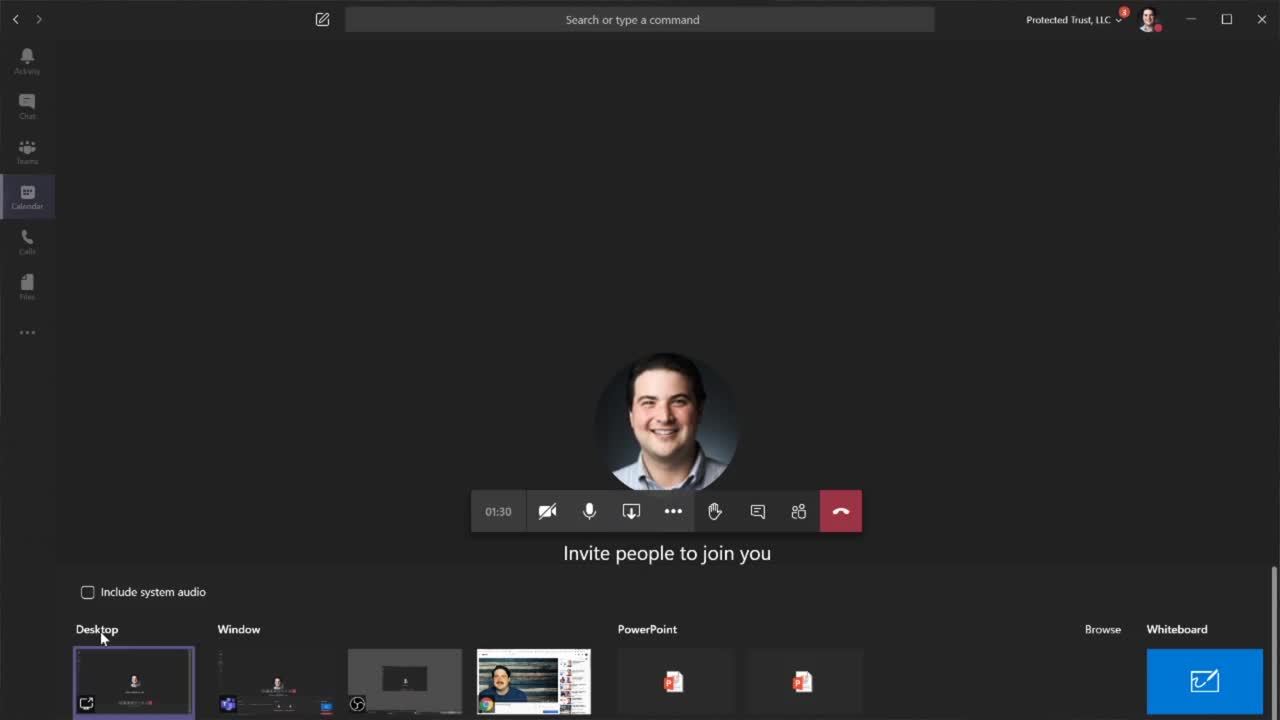
If you've ever tried to present a video in Microsoft Teams only to have the audience report they are unable to hear the audio, no your application isn't broken, there is just a box you need to check.
An innovative business on the cutting edge of technology is able to empower its remote workers, reap the cost-savings benefits of BYOD policies, and connect its employees no matter how and where they work.
The rapid development of communications technology has fundamentally changed the modern workplace. One of the biggest changes that have resulted from these innovations is the proliferation of virtual team collaboration.
As a modern business owner or manager, you and your employees need access to the right tools and technologies if you want to remain competitive in our highly saturated and digitally-driven business landscape.
The short answer: yes! If you're looking to build your modern workplace with Microsoft Surface tools, there is a distinct difference between consumer and commercial configurations and prices.
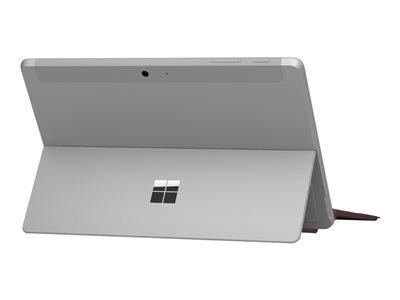
The Microsoft Surface Go is a small, compact hybrid laptop/tablet device with touchscreen capability. It's the smallest, lightest Surface device yet that is ideal for daily tasks.
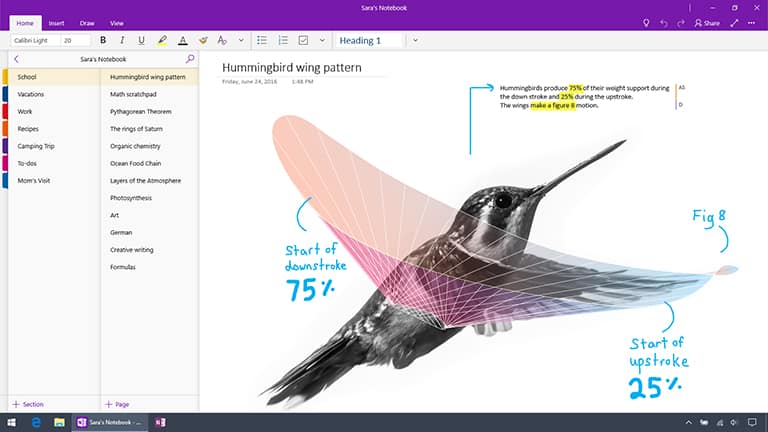
One of the most commonly asked questions when delivering training on OneNote is: "Which version should I use?" The aim of this blog post is to dispel the confusion and explain the differences between the two OneNote...
Beginning with the October 2018 launch of the Microsoft Surface Pro 6 and Surface Laptop 2, Microsoft implemented its "Surface for Business" descriptor across its new products.
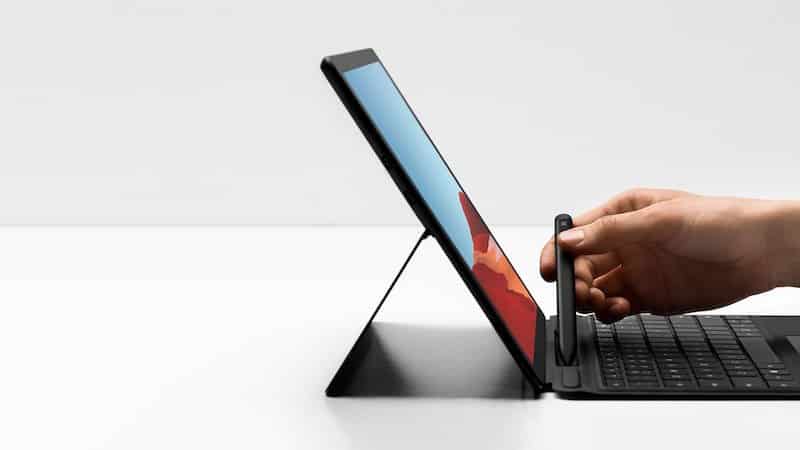
The Microsoft Surface family of products covers a wide range of tablets, laptops, desktops, and even digital whiteboard devices. This has led to some confusion regarding what a Surface device is and what it can do.
Twenty two years ago, Nuance Communications released Dragon Naturally Speaking, the first ever speech-to-text software.
It's no secret that remote working is all the rage amongst modern professionals, and it's not just a fleeting trend that will be going away any time soon.
You've likely heard of Office 365 before, but are you aware just how much its features and capabilities can enhance workflows, collaboration, and efficiency in your business?
With 3.7 million employees in the U.S. working from home for at least half the time, telecommuting (more commonly referred to as remote working) is more popular than ever.
In our modern business world, having access to the right team collaboration software and business communication tools can be the difference between developing a competitive advantage and falling behind the competition.
Striking that perfect balance between personal life and professional life has always been a challenge.
In our technology-driven business world, digital transformation has become essential for success.
Remote work is all the rage amongst modern professionals and has even been coined "the future of the workforce." While "work from wherever" policies provide a lot of benefits for both employees and businesses...
Remote work is no fleeting trend. It's here to stay, and more businesses are getting on board.
Gone are the days where employees were glued to their desk in a corporate office for eight hours a day, five days a week. The new norm in our modern, digitally-driven workforce is remote work!
No employee wants to face a daily struggle to get their work done simply because they don't have access to the applications needed to do so.
Every business can benefit from effective teamwork. Teams that can collaborate efficiently and consistently are more likely to complete tasks on time and make meaningful contributions to the success of the business...
When is a computer more than a computer? Many people assume that any old computer can meet their business' needs, but this isn't always the case.
In today's digitally-driven, hyper-connected world, effective business communication is essential for success.
In today's digitally-driven business world, mobility is crucial. As remote work and Bring Your Own Device (BYOD) policies become more commonplace, it's hard to do business if you aren't able to effectively work from...
Over the past few years, the way people work has changed quite a bit. For the first time, we now have members of five different generations together in the workplace.
Microsoft Office may be the de facto productivity tool for millions of workers worldwide, but it's certainly not a one-size-fits-all solution.
Over the past five years, you may have noticed that more and more software is moving away from being a "one-time purchase" and shifting to a subscription-based service model instead.
In today's modern workforce where remote working is commonplace, business mobility is essential for success.
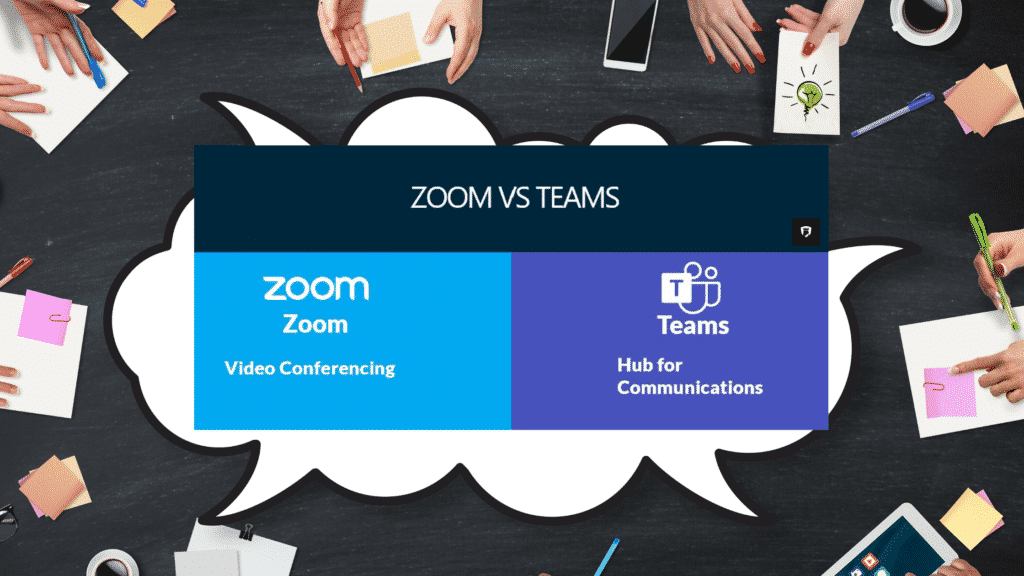
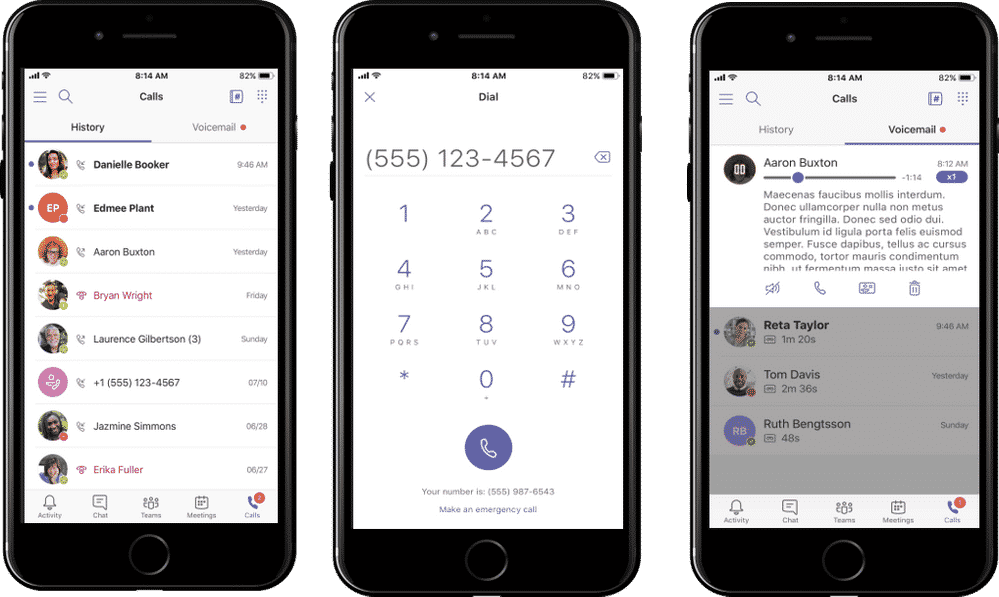
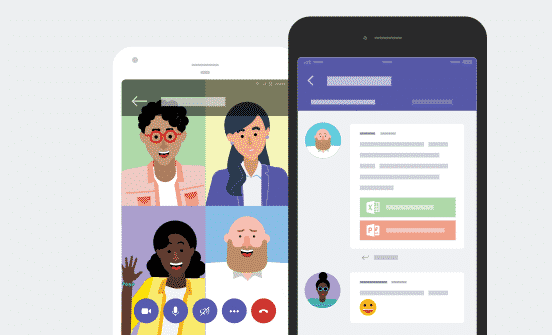
Microsoft Teams is a unified communications platform that combines chat, video and audio conferencing, file storage, and app integration in one shared workspace. Why should this matter to you?
Enterprise mobility (or business mobility) is a term that is often applied to remote working technology and business practices that allows employees to conduct work from outside of a traditional office setting.
With the rising popularity of "work from home" policies, businesses have a growing need for effective collaboration tools that make it easy to coordinate work from anywhere.
As a business that currently uses services such as Microsoft email, PowerPoint, and/or Excel, you may have already heard about Microsoft Teams.
When Office 365 first launched in 2013 (effectively replacing the Business Productivity Online Suite), this subscription-based version of Office was released to the general public—causing much confusion among end users.
Microsoft released Office 365 Groups as a new approach to team-based collaboration in October 2014.